
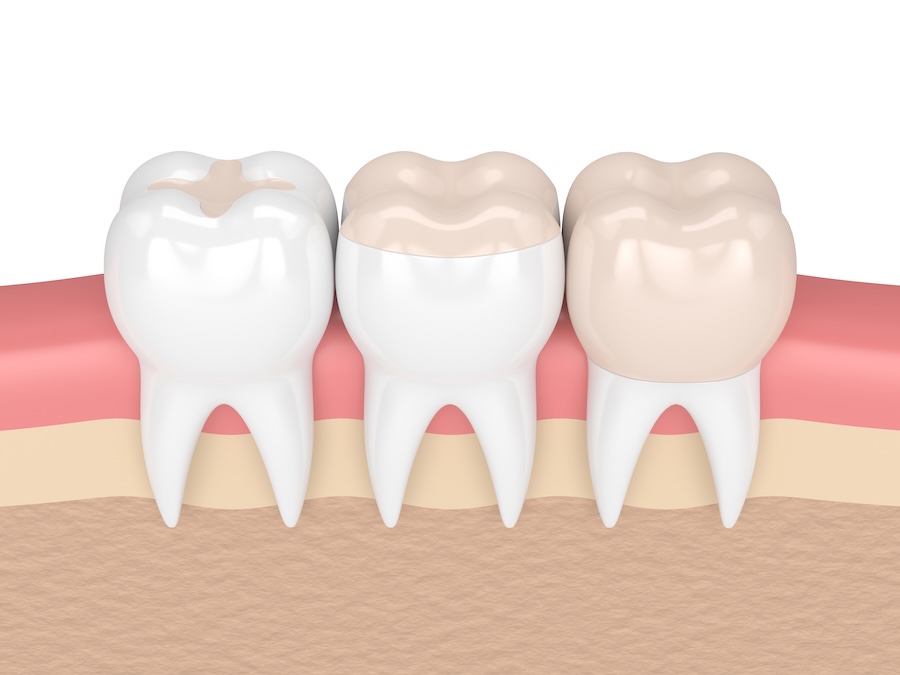
Finding out you need a filling usually brings up two questions pretty quickly. First, how soon does the tooth need to be treated? Then, almost immediately after that, how much is insurance going to cover? It is a normal thing to wonder, especially when dental benefits can feel a little murky until you are actually sitting in the chair.
The simple answer is that many dental insurance plans do cover fillings. In fact, fillings are often considered a basic restorative service, and many plans cover basic services at around 80% after the deductible has been met. However, that number is not guaranteed, and your exact coverage depends on your specific plan.
At Bethea Family Dentistry in Columbia, SC, Dr. Gary Bethea and the team help patients understand their treatment needs and insurance estimates before moving forward. While every insurance plan is different, knowing the common rules around fillings can help you feel less caught off guard and more prepared to make decisions about your care.
How Dental Insurance Usually Covers Fillings
Dental fillings are typically considered a basic restorative service. That means they are used to repair a tooth after decay or minor damage has been removed. Many insurance plans cover basic restorative services at around 80% after the deductible, though some plans may cover more or less.
The type of filling can also affect the estimate. Tooth-colored fillings are commonly used because they blend in with natural teeth, but some insurance plans pay based on the cost of a silver amalgam filling, especially on back teeth. If your dentist places a tooth-colored filling and your plan pays at the amalgam rate, you may be responsible for the difference.
It also matters whether the filling is considered medically necessary. If a cavity is present, insurance is more likely to view the filling as needed treatment. If a filling is being replaced for cosmetic reasons only, the plan may not cover it the same way.
Because of these differences, it is always best to check your specific benefits. A general answer can help, but your actual coverage depends on the policy you have.
Covered Does Not Always Mean Fully Paid
One of the most confusing parts of dental insurance is the word “covered.” A patient may hear that fillings are covered and assume there will be little or no out-of-pocket cost. Then the estimate comes back with a balance, and it feels surprising.
In dental insurance language, covered often means the plan contributes toward the cost. It may cover a percentage of the filling, such as 50%, 70%, or 80%, depending on the policy. The remaining amount may be your responsibility.
Your deductible can also affect the final cost. If your plan has a deductible for restorative services, you may need to pay that amount before insurance starts contributing. After that, your coinsurance or copay may still apply.
There may also be an annual maximum. Once your insurance has paid up to that yearly limit, additional dental treatment may not receive coverage until the next benefit year. This is why two patients can have fillings covered by insurance but pay very different amounts.
The Type of Filling Material Can Affect Coverage
The material used for your filling can affect how insurance pays. Tooth-colored fillings, also called composite fillings, are popular because they blend with natural teeth. Silver fillings, also called amalgam fillings, have been used for many years and may still be used as a reference point by insurance plans.
Some insurance plans cover tooth-colored fillings on front teeth but may only pay up to the cost of a silver filling on back teeth. This is often called a downgrade. The plan is still contributing toward the filling, but it is basing payment on the lower-cost material rather than the material actually used.
This does not mean one material is always better than the other. The best choice depends on the tooth, the size of the cavity, your bite, your cosmetic preferences, and what Dr. Gary Bethea recommends for your situation.
If you are concerned about cost, ask the team to review how your insurance may treat the filling material. That way, you can understand both the dental recommendation and the financial side before treatment begins.
What an Amalgam Downgrade Means
An amalgam downgrade can sound more confusing than it really is. It usually means your insurance plan agrees that the filling is covered, but it chooses to pay based on the cost of an amalgam filling rather than a tooth-colored composite filling.
For example, your dentist may recommend a tooth-colored filling because it matches your tooth and works well for the area being treated. Your insurance may still pay its usual percentage, but it may calculate that percentage from the amalgam fee. The difference between the amalgam allowance and the tooth-colored filling fee may be your responsibility.
This often comes up with back teeth. Many patients prefer tooth-colored material because it blends in naturally, but some insurance plans still use older reimbursement rules for molars and premolars.
Downgrades are based on your insurance policy, not on the dental office’s recommendation. The office can help explain the estimate, but the plan determines how it pays.
Why Insurance May Ask for X-Rays or Documentation
Sometimes insurance companies ask for X-rays, chart notes, or other documentation before paying a claim. This is common when they want to confirm that the filling was needed because of decay, fracture, or another dental issue.
This does not mean the office did anything wrong or that your claim will be denied. It simply means the insurance company is asking for support before processing benefits. Dental offices are used to handling these requests and can usually submit the needed information.
X-rays may show decay between teeth or under an old filling that is not visible during a basic visual exam. Photos or notes may also help explain why a filling needed replacement.
It is helpful to remember that insurance companies make final benefit decisions. The dental office can provide estimates and documentation, but the plan determines how the claim is processed based on your policy.
When Replacing an Old Filling May Be Covered
Replacing an old filling may be covered when there is a clear dental reason for the replacement. Common reasons include new decay around the filling, a cracked filling, a leaking margin, a broken edge, sensitivity caused by failure, or a tooth structure problem that needs repair.
Insurance may be less likely to cover replacement if the filling is being changed only because of appearance. For example, if an older silver filling is stable and healthy but a patient wants it replaced with tooth-colored material for cosmetic reasons, coverage may be limited or unavailable.
There may also be replacement frequency rules. Some insurance plans will only cover replacement of a filling after a certain number of years, unless there is documentation showing that replacement is necessary sooner. This can be frustrating, but it is part of how some policies are written.
If an old filling is bothering you, food is getting stuck, or the tooth feels sensitive, it is worth having it checked. The exam can show whether the filling is failing and whether there is a dental reason to replace it.
Does Insurance Cover Fillings for Children?
Many dental plans cover fillings for children, but the same rules can still apply. Coverage may depend on the plan, the type of filling, deductibles, annual maximums, and whether the treatment is considered necessary.
Children can get cavities in baby teeth and permanent teeth. Even though baby teeth eventually fall out, fillings may still be recommended because baby teeth help with chewing, speech, and holding space for adult teeth. Leaving decay untreated can lead to pain, infection, and difficulty eating.
Insurance may cover pediatric fillings as part of basic restorative care, but parents should still review the estimate. Some plans treat materials differently or require documentation, just as they do for adult fillings.
If your child needs a filling, the team can explain why treatment is recommended and help you understand what your insurance may contribute.
What If You Do Not Have Dental Insurance?
If you do not have dental insurance, it is still important to treat cavities before they get worse. A small cavity may be repaired with a filling, but if it grows deeper, the tooth may eventually need a crown, root canal, or extraction. Waiting can make care more expensive and more uncomfortable.
Without insurance, the cost of a filling depends on the tooth, the size of the cavity, the material used, and whether any additional treatment is needed. A dental exam can give you a clearer idea of what is involved.
It is also worth asking the office about payment options or ways to plan care. Many patients without insurance worry that they will not know the cost until after treatment, but a good dental office should be able to explain the recommended treatment and expected fees before moving forward.
At Bethea Family Dentistry, the team can talk through options so you can make an informed decision about your care.
Why It Is Better Not to Delay a Filling
A cavity usually does not stay the same size. Once decay breaks through the enamel, it can continue moving deeper into the tooth. Early on, a filling may be enough to repair the damage. Later, the same tooth may need more involved treatment.
Delaying a filling can also lead to sensitivity, pain, food trapping, infection, or a broken tooth. What started as a manageable repair can become a much bigger problem if the decay reaches the nerve or weakens the tooth structure.
From an insurance standpoint, waiting does not always save money either. A filling is usually less involved than a crown or root canal, and insurance coverage for larger treatment may come with more limitations, higher out-of-pocket costs, or annual maximum issues.
If your dentist recommends a filling, it is usually because the tooth has already reached a point where it needs repair. Taking care of it early can help protect more of your natural tooth.
How to Understand Your Estimate Before Treatment
Before your filling appointment, ask for an estimate of benefits. This estimate can show what the office expects insurance to contribute and what portion may be your responsibility. It is not a guarantee, but it gives you a useful starting point.
When reviewing the estimate, look for your deductible, coinsurance, annual maximum, and any material limitations. If your plan downgrades tooth-colored fillings on back teeth, ask how that affects the balance.
It also helps to ask whether the filling is being done on a front tooth or back tooth, how many tooth surfaces are involved, and whether the filling is new or a replacement. Insurance codes can differ based on these details, and that can affect coverage.
The more you understand before treatment, the less confusing the bill feels afterward. A clear conversation can help you focus on getting the tooth repaired instead of worrying about unknowns.
Questions to Ask Your Dental Office About Filling Coverage
If you are unsure about coverage, a few questions can help. Ask whether your plan typically covers fillings, whether your deductible applies, and whether tooth-colored fillings are covered differently on back teeth.
You may also want to ask whether your annual maximum has already been used, whether the plan has replacement frequency limits, and whether pre-treatment estimates are available. These details can change your expected out-of-pocket cost.
If you are replacing an old filling, ask whether documentation may be needed to show why it needs replacement. This is especially useful if the filling is not very old or if your plan has strict replacement rules.
You do not have to become an insurance expert. You just need enough information to understand what your plan may do and what your tooth needs.
Dental Fillings and Insurance in Columbia, SC at Bethea Family Dentistry
So, is a dental filling covered by insurance? In many cases, yes. Many plans cover fillings as a basic restorative service, often around 80% after the deductible, but the exact amount depends on your specific benefits. Deductibles, annual maximums, filling material, tooth location, replacement rules, and possible amalgam downgrades can all affect what you pay.
At Bethea Family Dentistry in Columbia, SC, Dr. Gary Bethea and the team can evaluate the tooth, explain why a filling is needed, and help you understand your estimated insurance benefits before treatment. The goal is to repair the tooth with care that makes sense clinically and financially.
If you have been told you need a filling, or if an old filling feels sensitive, rough, or loose, schedule a visit with Bethea Family Dentistry. A clear exam and benefit review can help you take care of the tooth before the problem becomes more involved.
FAQs
Is a dental filling usually covered by insurance? Many dental insurance plans cover fillings as a basic restorative service, often around 80% after the deductible. However, the exact amount depends on your plan, deductible, annual maximum, filling material, and whether the filling is considered necessary.
Does insurance cover tooth-colored fillings? Some plans cover tooth-colored fillings, while others may only pay up to the cost of a silver amalgam filling on back teeth. If your plan downgrades the material, you may be responsible for the difference.
What does it mean if insurance pays the amalgam rate? It means your plan may cover the filling, but it calculates payment based on the cost of a silver filling instead of a tooth-colored filling. If a composite filling costs more than the plan’s amalgam allowance, the difference may be your responsibility.
Will insurance pay to replace an old filling? Insurance may cover replacement if the filling has failed, cracked, leaked, or has new decay around it. If the replacement is only for cosmetic reasons, coverage may be limited.
Why do I still owe money if my filling is covered? Covered does not always mean paid in full. Your deductible, coinsurance, annual maximum, or material limitations may leave a portion of the cost as your responsibility.
Can the dental office tell me exactly what insurance will pay? The office can usually provide an estimate based on your benefits, but insurance companies make the final payment decision when the claim is processed. Estimates are helpful, but they are not guarantees.
What happens if I wait to get a filling? A cavity can grow deeper over time. Waiting may lead to pain, infection, a larger restoration, a crown, root canal, or extraction. Treating decay earlier usually helps preserve more natural tooth structure.