When a tooth already has a large filling, you may wonder why the next repair needs a crown. It can feel like a much bigger step, particularly if the tooth still works well enough for most meals. A crown may be recommended when the remaining natural tooth needs support that another filling is unlikely to provide.
At Bethea Family Dentistry in Columbia, South Carolina, Dr. Gary Bethea can check the tooth and show you where it has weakened. We look at the amount of solid structure left, any cracks or decay, and the pressure the tooth receives when you bite. Before treatment, we’ll explain why a crown fits the repair and whether another option could work.
Teeth With Large Fillings
When decay is removed, a filling replaces the missing area inside the tooth. Over time, repeated repairs can leave more filling and less natural structure around it. Those remaining walls may flex or fracture under chewing pressure, even when the filling itself is still in place.
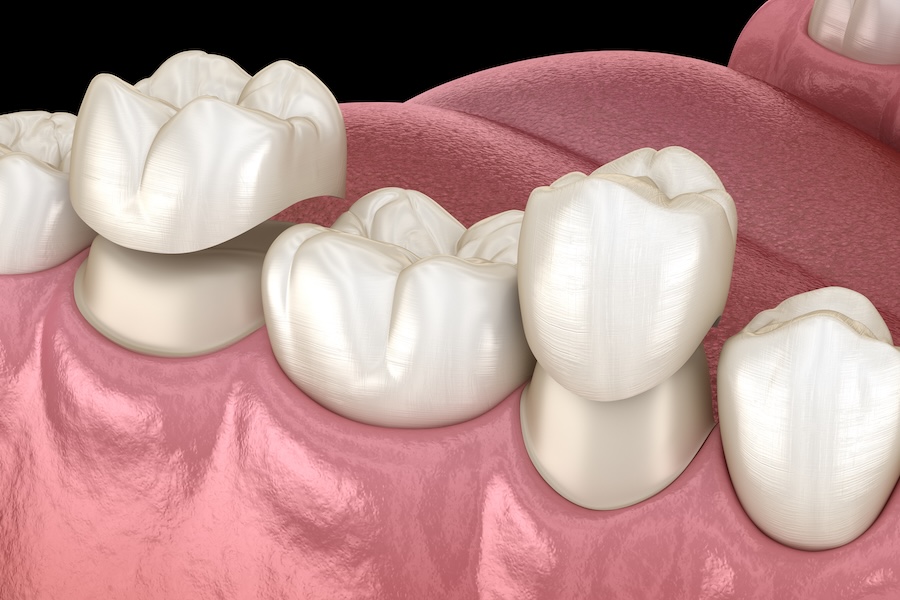
If a side of the tooth has become thin, adding more filling may leave it prone to breaking again. A crown fits over the prepared tooth and supports those weaker sections when you chew. Dr. Bethea first checks that enough solid tooth remains underneath for the crown to hold securely.
How the Crown Supports Your Tooth
At Bethea Family Dentistry, a crown is generally made over two visits. We prepare the tooth, remove any decay, and take impressions for our partner dental lab, then place a temporary crown while the final one is made. Before you leave, we explain how to protect that temporary, including which sticky or hard foods to avoid.
When the finished crown is ready, we remove the temporary and check how the new crown fits and meets the opposing teeth. By covering the weakened tooth, it supports the remaining sections during chewing. If it feels as though that tooth hits first after placement, contact us so Dr. Bethea can check the bite rather than leaving you to chew around it.
Crowns for Cracked Teeth
A tooth with a fractured cusp or certain cracks may be restored when the damage leaves enough healthy structure. Covering it can reduce movement between weakened sections during chewing. However, the direction and depth of a crack affect whether the tooth can be maintained.
Dr. Bethea may check the tooth with bite tests, gum measurements, and imaging before recommending treatment. A crack extending into the root or a tooth that has split may not be restorable. Even when a crown is appropriate, we’ll explain any uncertainty about whether the crack could progress later.
Crowns After Root Canal Treatment
If bacteria reach the pulp inside the tooth, the nerve tissue can become inflamed or infected. A root canal addresses that internal problem by removing the damaged tissue and cleaning and sealing the canals. The remaining tooth still needs a restoration that fits the amount of structure lost.
Back teeth often need crowns after root canal treatment because they carry substantial chewing forces and may already be weakened. We offer root canal care as part of our restorative services and can explain the treatment sequence. If your tooth needs both procedures, the estimate should include the canal treatment and the final restoration.
When a Filling Is Enough
Crowns require preparation, so we consider whether a less extensive repair can provide the support needed. A smaller cavity with strong surrounding walls may do well with a filling. Likewise, a limited chip may need less coverage than a tooth that has lost a whole cusp.
If you are wondering why a filling would not be enough, ask us to show you the weak area. Dr. Bethea can go over the exam findings and any images with you. When either option could work, we can explain the preparation, cost, and likely maintenance before you decide.
Cleaning Around Your Crown
A crown protects the prepared tooth, but the natural structure at its edge can still develop decay. Plaque can collect along the gumline and between the crown and neighboring teeth. Brush with fluoride toothpaste and clean those spaces daily using the technique that fits the restoration.
If floss catches, the gum bleeds in the same place, or food keeps wedging beside the crown, bring it up at your visit. We can check the contact, crown edge, and surrounding tissues. Regular exams also allow us to assess whether the crown remains sealed and whether the bite has changed.
Protecting Your Crown
If you clench or grind, a crown may still be exposed to more force than ordinary chewing produces. We can look for wear and discuss whether a protective guard is appropriate. A crown can also chip or loosen, so avoid using it to crack shells or open packaging.
If the crown comes off, save it and call our office so we can check both the restoration and the tooth. Sometimes it can be reattached, while other cases need a new crown or further treatment. Mention any pain or swelling when you call, even if the crown still looks intact.
Dental Crowns in Columbia, South Carolina
If you’ve been advised to get a crown or have a tooth that keeps losing pieces, come see Dr. Gary Bethea. We can explain what has weakened and how a restoration could support the remaining tooth. Schedule with Bethea Family Dentistry in Columbia, South Carolina, and let us help you get back to chewing without working around that fragile area!