Tooth pain has a way of interrupting whatever you were doing. You take a sip of ice water, and suddenly one tooth has the floor. You bite into dinner, and there it is again in the same spot. Or maybe nothing feels sharp, but there is a dull ache hanging around by the end of the day. Either way, the way the pain feels can give helpful clues about what may be going on.
Different types of tooth pain can come from cavities, cracked teeth, gum problems, grinding, infection, sinus pressure, worn enamel, or dental work that needs attention. However, symptoms can overlap. A sensitive tooth may have a small cavity, an exposed root surface, or an irritated nerve. Meanwhile, a tooth that hurts when biting may be cracked, bruised from clenching, or affected by decay under the surface.
At Bethea Family Dentistry in Columbia, SC, Dr. Gary Bethea can examine the tooth, check your bite, look at the gums, and take X-rays if needed. So, if tooth pain keeps coming back, gets worse, or starts changing how you eat, it is worth having it checked before the problem has more time to build.
Sharp Tooth Pain
Sharp tooth pain often feels sudden and specific. You may feel it when biting into food, drinking something cold, eating something sweet, or touching the tooth with your tongue. It may last only a second, but it can still make you pause mid-bite and rethink the rest of your lunch.
This type of pain may come from a cavity, cracked tooth, loose filling, exposed dentin, or a sensitive root surface. If the pain happens only with cold or sweets and fades quickly, the nerve may be irritated but not deeply inflamed. However, if the pain lingers, the tooth may need closer attention.
Sharp pain when biting can be a little different. It may point to a crack, a high filling, inflammation around the root, or a tooth that is taking too much pressure. Since cracks are not always easy to see at home, this is one of those symptoms worth checking before it keeps getting worse.
If sharp tooth pain keeps showing up in the same spot, schedule an exam. Once the cause is found, Dr. Bethea can explain whether the tooth needs a filling, crown, bite adjustment, or another treatment.
Dull or Aching Tooth Pain
A dull ache can seem easier to ignore than sharp pain, but it can still mean something needs attention. It may feel like pressure, soreness, or a low-grade ache around one tooth or several teeth. Sometimes it is worse at the end of the day, especially if you have been clenching through emails, traffic, errands, or whatever else the day threw at you.
Dull tooth pain may come from clenching, grinding, sinus pressure, gum inflammation, decay, or an irritated nerve. For example, if you wake up with sore teeth or a tired jaw, nighttime clenching may be involved. If several upper back teeth ache at once and you also have sinus congestion, sinus pressure may be part of the picture.
However, a dull ache in one tooth can also mean decay has moved deeper or the nerve is becoming inflamed. That is why the pattern helps. Does it happen after chewing? Does it wake you up? Does it come with swelling or sensitivity? Those details can help narrow down the cause.
A dull ache that lasts more than a day or two should be checked, especially if it keeps returning. Even if the pain is mild, it may point to a problem that is easier to treat early.
Throbbing Tooth Pain
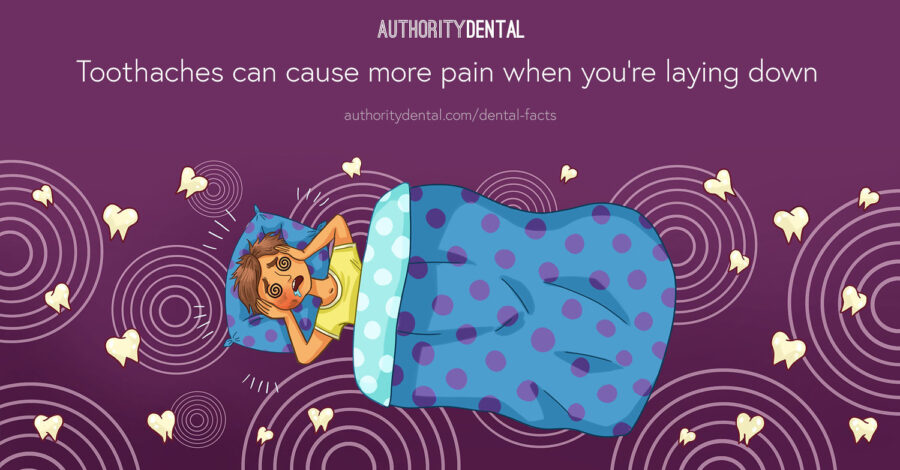
Throbbing tooth pain usually gets your attention pretty quickly. It may feel like a pulsing sensation inside the tooth, around the gum, or in the jaw. Sometimes it gets worse when you lie down, chew, or drink something hot. You might notice it at night or when you take that first sip of coffee in the morning.
This type of pain can be linked to an infected tooth, dental abscess, deep cavity, gum infection, or injury. If throbbing pain comes with swelling, fever, bad taste, drainage, or tenderness in the gums, it may be urgent.
A tooth infection does not always stay small. Once bacteria reach the nerve space or surrounding tissues, pressure and inflammation can build. Then the pain may become steady, deep, and hard to manage with home care.
If you have throbbing tooth pain, call Bethea Family Dentistry. Also, if swelling spreads into the face, affects swallowing or breathing, or comes with a high fever, seek emergency medical care right away.
Tooth Sensitivity to Cold
Cold sensitivity is one of the most common types of tooth pain. You may feel a quick zing when drinking ice water, eating ice cream, breathing in cold air, or rinsing after brushing. In some cases, the feeling disappears almost as soon as the cold is gone.
Short-lived cold sensitivity may come from worn enamel, gum recession, exposed root surfaces, whitening products, or small areas of decay. It can also happen after a filling or dental treatment, although it should usually improve over time.
However, cold sensitivity that lingers is more concerning. If the pain lasts for several seconds or longer after the cold is gone, the nerve inside the tooth may be more irritated. A deep cavity, cracked tooth, or inflamed nerve may be involved.
Because cold sensitivity can have several causes, guessing is not always helpful. An exam can show whether the tooth needs a filling, fluoride support, gum care, bite adjustment, or another treatment.
Tooth Sensitivity to Heat
Heat sensitivity can be more concerning than quick cold sensitivity. You may feel pain when drinking coffee, tea, soup, or another warm food or drink. Sometimes the tooth continues to ache after the heat is gone, which is usually a sign that the nerve needs a closer look.
Heat sensitivity may point to nerve inflammation inside the tooth. This can happen when decay is deep, a crack reaches toward the nerve, or past trauma has damaged the tooth. In some cases, heat can make pressure inside the tooth feel worse.
If heat sensitivity is mild and recent, it still deserves attention. However, if warm foods or drinks cause lingering pain, or if cold water temporarily relieves the ache, the tooth may need prompt evaluation.
This does not always mean the tooth has to be removed. Depending on the cause, treatment may involve a filling, crown, root canal therapy, or another approach. So, the important part is finding out what is happening before symptoms get worse.
Pain When Biting or Chewing
Pain when biting can be oddly specific. You may chew normally on one side, then hit one spot and feel a sharp pain. Sometimes it hurts when you bite down. Other times it hurts when you release pressure. That kind of pattern can point to a crack, bite issue, or inflammation around the tooth.
This type of pain may come from a cracked tooth, cavity, loose filling, high filling, gum infection, or inflammation around the tooth root. A cracked tooth can be especially tricky because the pain may come and go depending on the angle of the bite.
If the tooth recently had a filling or crown, the bite may need a small adjustment. When a restoration sits a little too high, the tooth can take extra pressure with every bite. Over time, that can make the tooth sore.
Pain when chewing should be checked if it lasts, returns, or makes you avoid certain foods. Even if the tooth looks fine in the mirror, there may be a crack or deeper issue that needs treatment.
Pain Near the Gumline
Pain near the gumline may feel like tenderness, stinging, soreness, or sensitivity where the tooth meets the gum. It may happen while brushing, flossing, eating, or drinking something cold. And, yes, it can make you suspicious of your toothbrush for no good reason.
Common causes include gum recession, exposed root surfaces, plaque buildup, gum inflammation, abrasion from brushing too hard, or a cavity near the gumline. Because root surfaces are not covered by enamel in the same way as the crown of the tooth, they can be more sensitive.
If the gums bleed, look swollen, or feel tender, gum inflammation may be involved. If there is a notch or worn area near the gumline, the tooth may need bonding or a filling to protect the exposed surface.
Switching to a softer toothbrush and brushing gently can help prevent more irritation. However, if one area keeps hurting, an exam can show whether the problem is gum-related, tooth-related, or both.
Tooth Pain With Swelling
Tooth pain with swelling should be taken seriously. Swelling around the gum, cheek, jaw, or face may point to infection, especially if it comes with throbbing pain, fever, drainage, or a bad taste.
A swollen gum bump near a tooth may be a sign of an abscess. Sometimes it drains and the pain temporarily improves, but that does not mean the infection is gone. The source still needs dental treatment.
Swelling can also come from gum infection, food trapped under the gumline, trauma, or a problem with a wisdom tooth. However, any swelling that is getting worse should be checked quickly.
If swelling spreads toward the eye, neck, or throat, or if you have trouble breathing or swallowing, seek emergency medical care right away. Dental infections can sometimes move beyond the tooth, and timing matters.
Tooth Pain That Comes and Goes
Tooth pain that comes and goes can be easy to put off. Since it is not constant, it may seem less serious. However, on-and-off pain still has a cause, even if it has terrible timing and only shows up when you are trying to enjoy dinner.
Intermittent tooth pain may come from a small cavity, cracked tooth, gum irritation, clenching, sinus pressure, or sensitivity from exposed dentin. It may show up only with cold drinks, certain foods, or chewing pressure.
The tricky part is that symptoms can disappear for a while even when the problem is still there. A crack may only hurt at certain angles. A cavity may only hurt when sugar or cold reaches the area. Meanwhile, grinding soreness may improve during the day and return after sleep.
If the same tooth keeps bothering you, even occasionally, mention it at your dental visit. A pattern that seems random at home may make more sense once the tooth is examined.
Tooth Pain After Dental Work
Some tooth sensitivity after a filling, crown, or deep cleaning can be normal for a short time. The tooth and surrounding tissues may need time to settle. Mild cold sensitivity or tenderness when chewing often improves gradually.
However, tooth pain after dental work should not keep getting worse. If your bite feels high, the tooth may hit before the others when you chew. That extra pressure can make the tooth sore, but a small adjustment may help.
Lingering sensitivity, sharp biting pain, swelling, or pain that wakes you up should be checked. Sometimes a cavity was close to the nerve, a crack was already present, or the tooth needs more treatment than expected.
If something feels off after dental work, call the office rather than waiting too long. Then Dr. Bethea can check whether healing is on track or whether the tooth needs attention.
Tooth Pain From Grinding or Clenching
Grinding and clenching can make teeth sore without a cavity being involved. Some people clench during the day when focusing. Others grind at night and only notice the results in the morning.
This pain may feel like general soreness, pressure, jaw fatigue, or tenderness in several teeth. You may also notice headaches near the temples, worn tooth edges, chipped enamel, or tight jaw muscles. In other words, your teeth may be working overtime while the rest of you is trying to sleep.
However, grinding can also make one tooth hurt more than the others if that tooth is taking extra force. That can make it feel like a single-tooth problem even when bite pressure is part of the issue.
Treatment may include a custom night guard, bite evaluation, or changes to protect the teeth from heavy pressure. Dr. Bethea can look for wear patterns and signs of clenching during your exam.
Tooth Pain From a Cracked Tooth
A cracked tooth does not always hurt all the time. It may hurt only when you bite down, release pressure, or chew on a certain side. Cold sensitivity can also show up, especially if the crack reaches deeper into the tooth.
Cracks can happen from chewing hard foods, grinding, trauma, large fillings, or weakened tooth structure. Some cracks are small and treatable with a crown. Others extend too deep and need more involved care.
The frustrating part is that cracks are not always obvious. You may not see anything in the mirror. The tooth may even look normal during a quick glance. However, the pain pattern can give important clues.
If one tooth keeps hurting with chewing, try not to keep testing it with hard foods to see if it still hurts. That can make the crack worse. Instead, schedule an exam so the tooth can be evaluated.
Tooth Pain From Sinus Pressure
Upper back tooth pain can sometimes come from sinus pressure. The roots of the upper molars sit close to the sinus area, so congestion or inflammation can make those teeth feel achy.
Sinus-related tooth pain often affects more than one upper tooth. It may come with facial pressure, nasal congestion, headache, or discomfort that changes when you bend forward. The teeth may feel sore, but there may not be a cavity or crack.
However, it is still easy to confuse sinus pressure with dental pain. A tooth infection can also cause upper tooth pain, and it may not always be obvious at home.
If the pain is severe, one-sided, or focused on one tooth, have it checked. An exam and X-rays can help separate sinus-related discomfort from a dental problem that needs treatment.
When Tooth Pain Needs Prompt Care
Tooth pain should be checked promptly if it is severe, lasts more than a day or two, keeps returning, or wakes you up at night. Pain that changes how you chew also deserves attention.
Call sooner if tooth pain comes with swelling, fever, drainage, a bad taste, a loose tooth, or pain when biting. These signs may point to infection, a crack, or a dental problem that needs treatment before it gets worse.
You should also schedule a visit if you notice a broken tooth, lost filling, or new sensitivity around old dental work. Even if the pain is mild, exposed tooth structure can become more sensitive or develop decay.
Waiting is tempting when symptoms come and go. But once tooth pain starts repeating itself, it is usually better to find out what is causing it.
Types of Tooth Pain in Columbia, SC
Different types of tooth pain can point to different problems. Sharp pain, dull aching, throbbing, cold sensitivity, heat sensitivity, biting pain, gumline pain, and swelling all give clues. However, the only way to know what is actually happening is to have the tooth examined.
At Bethea Family Dentistry in Columbia, SC, Dr. Gary Bethea can evaluate your tooth pain, check for decay or cracks, look at your gums, review your bite, and recommend treatment based on the cause. Treatment may be as simple as a filling or bite adjustment, or it may involve a crown, root canal therapy, gum care, or another option.
If you have tooth pain that is new, getting worse, or not going away, schedule a visit with Bethea Family Dentistry. A clear diagnosis can help you stop guessing, protect the tooth, and get back to eating and drinking without planning every bite around one sore spot.
FAQs
What are the most common types of tooth pain? Common types of tooth pain include sharp pain, dull aching, throbbing pain, cold sensitivity, heat sensitivity, pain when biting, gumline pain, and pain with swelling.
What does sharp tooth pain mean? Sharp tooth pain may come from a cavity, cracked tooth, exposed dentin, loose filling, or gum recession. If it keeps happening in the same spot, it should be checked.
Why does my tooth hurt when I bite down? Pain when biting may be caused by a cracked tooth, cavity, high filling, loose restoration, gum infection, or inflammation around the root. A dental exam can help find the cause.
Is throbbing tooth pain serious? Throbbing tooth pain can be serious, especially if it comes with swelling, fever, drainage, or a bad taste. It may point to infection and should be evaluated promptly.
Can sinus pressure feel like tooth pain? Yes. Sinus pressure can make the upper back teeth feel achy because those roots sit close to the sinus area. However, dental infections can feel similar, so persistent or one-sided pain should be checked.
When should I see a dentist for tooth pain? You should see a dentist if tooth pain lasts more than a day or two, keeps returning, gets worse, wakes you up, causes swelling, or hurts when you chew.
Image from Authority Dental under CC 2.0