When you’re missing a tooth, you generally have two main replacement options: a dental bridge or a dental implant. Both restore your smile and chewing ability — but they function very differently.
At Bethea Family Dentistry in Columbia, SC, Dr. Gary Bethea helps patients compare these options carefully. While bridges are still appropriate in certain cases, many patients ultimately choose dental implants because they offer advantages that extend well beyond simply filling the gap.
Implants Don’t Rely on Neighboring Teeth
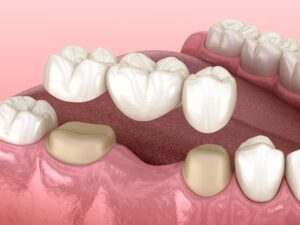
A traditional dental bridge works by anchoring a false tooth to the teeth on either side of the gap. To do that, those healthy neighboring teeth usually need to be reshaped and covered with crowns.
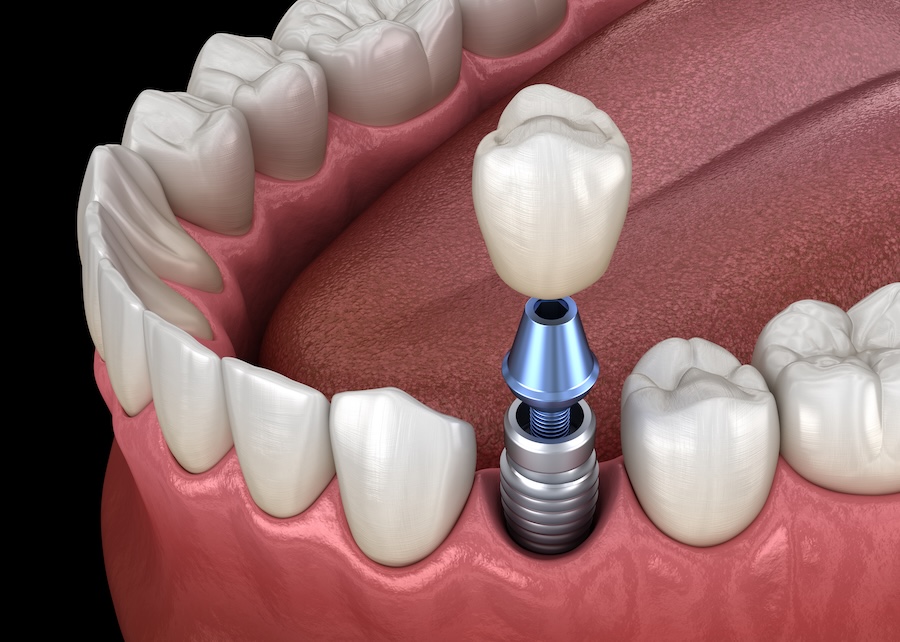
Dental implants work differently. An implant replaces the missing tooth root with a small titanium post that is placed directly into the jawbone. After healing, a custom crown is attached to the implant. Because the implant stands independently, the adjacent teeth remain untouched. For many patients, preserving healthy natural tooth structure is one of the biggest advantages of choosing an implant.
Implants Help Protect Your Jawbone
One of the most important differences between dental implants and bridges happens below the gumline. When a tooth is lost, the jawbone in that area no longer receives stimulation from a tooth root. Over time, the bone gradually shrinks in a process called resorption.
A bridge restores the visible portion of the tooth but does not replace the root, so it cannot prevent that bone loss. A dental implant, however, integrates with the jawbone and functions like an artificial root. This helps maintain bone volume and supports the natural contours of your face. This can protect facial structure and help prevent a “sunken” appearance that sometimes develops years after tooth loss.
Longer Lifespan
Dental bridges can last many years, typically between 7 and 15 years depending on care and oral hygiene. However, they may need to be replaced if decay develops around the supporting teeth or if the bridge becomes loose over time.
Dental implants are designed to be a long-term solution. With proper brushing, flossing, and routine dental visits, many implants can function for decades. While the initial cost of an implant may be higher than a bridge, the longevity often makes it a strong investment for patients thinking long term.
Easier Cleaning and Maintenance
Keeping a bridge clean requires extra attention. Because the false tooth is connected to crowns on either side, patients often need floss threaders or special cleaning tools to remove plaque underneath the bridge. If that area isn’t cleaned thoroughly, it can increase the risk of gum disease or decay around the supporting teeth.
Implants are typically maintained much like natural teeth. You can brush and floss normally around them, which makes daily hygiene more straightforward. For many people, that simplicity makes it easier to stay consistent with home care.
More Natural Feel and Stability
Because implants are anchored directly into the jawbone, they tend to feel very similar to natural teeth. They don’t rely on other teeth for support and do not shift when you chew or speak. This stability often gives patients greater confidence when eating a variety of foods.
Bridges are fixed in place and can feel secure, but they still depend on neighboring teeth for strength. Over time, that added stress on those teeth may contribute to wear or additional dental work.
When a Bridge May Still Be the Right Choice
Although dental implants offer significant benefits, they are not automatically the best option in every situation. A bridge may be appropriate if the surrounding teeth already require crowns, if bone volume is insufficient for implant placement, or if medical considerations make surgery less ideal. In some cases, patients also prefer the shorter timeline that a bridge can offer.
At Bethea Family Dentistry, Dr. Gary Bethea evaluates your overall oral health, bone structure, and long-term goals before making a recommendation. The decision is always based on what will provide the most stable and predictable outcome for you.
Dental Implants in Columbia, SC at Bethea Family Dentistry
Choosing between a bridge and a dental implant is about more than replacing a missing tooth. It’s about protecting healthy teeth, maintaining bone structure, and selecting a solution that supports your smile for years to come.
If you’re exploring options for tooth replacement, schedule a consultation at Bethea Family Dentistry in Columbia, SC. Dr. Gary Bethea can walk you through the differences, answer your questions, and help you decide whether dental implants are the right choice for your long-term oral health.